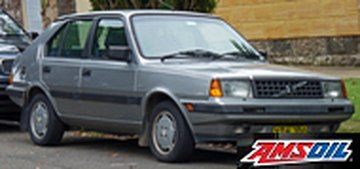
Lubrication Maintenance for the 1982 Volvo GLT 2.3L
Maintaining a vehicle of this era requires a proactive approach to fluid management and mechanical inspection. For the 1982 Volvo GLT equipped with a 2.3L engine, consistent attention to lubrication systems is a fundamental aspect of long-term ownership. Because older engines often exhibit different sealing characteristics than modern counterparts, understanding how to monitor and respond to changes in lubricant condition is essential for preserving engine health.
Monitoring Fluid Integrity and Potential Leaks
One of the most effective ways to manage an aging engine is through regular visual inspections of the engine bay and undercarriage. Rather than waiting for a visible puddle to form on the driveway, owners should look for signs of seepage around various sealing surfaces. Over time, gaskets and seals can undergo changes in elasticity due to heat cycles and age.
When performing routine checks, focus on the following areas:
- Sealing Surfaces: Inspect the areas where major engine components meet to look for any evidence of oily residue or dampness.
- Undercarriage Inspection: Periodically check the ground beneath the vehicle after it has been parked for an extended period to identify any slow, intermittent drips.
- Fluid Appearance: If you are able to safely check the lubricant level using a dipstick, observe the color and consistency of the fluid. Significant darkening or a gritty texture can indicate that the oil is heavily contaminated or that service intervals have been exceeded.
It is important to note that many symptoms, such as an oily residue on a component, can have multiple causes. A damp area might indicate a slow seep from a gasket rather than a catastrophic failure, but any new sign of fluid movement warrants closer investigation to prevent more significant issues later.
Managing Engine Lubricant and Contamination
The engine oil in a 1982 Volvo GLT performs several vital roles, including reducing friction between moving parts and assisting in heat management. As the lubricant circulates, it also picks up microscopic debris and combustion byproducts. If the oil is not changed according to a consistent schedule, these contaminants can accumulate, potentially leading to the formation of sludge or deposits within the engine.
Maintaining clean lubrication is not just about replacing old fluid; it is about ensuring the chemical properties of the oil remain effective. Modern lubricants are engineered with advanced detergents and dispersants designed to keep contaminants in suspension so they can be removed by the filter. For an older 2.3L engine, keeping the internal environment clean through regular service helps mitigate the risks associated with long-term component wear.
If you notice any changes in how the engine operates—such as unusual mechanical noises or a change in the way the engine idles—it is wise to investigate whether the lubrication system is contributing to these symptoms. While an oil-related issue can cause various sensations, they should always be addressed promptly to ensure the engine continues to operate within its intended parameters.
Prioritizing Maintenance Based on Vehicle Condition
For owners of a 1982 model, maintenance priorities should ideally be driven by the actual condition of the vehicle rather than just the calendar or mileage alone. If you have recently acquired this Volvo and do not have a complete service history, establishing a baseline is a logical first step.
Establishing a baseline involves performing a comprehensive inspection of all fluids and major wear items. Once you know the current state of the oil, coolant, and various belts or hoses (if equipped), you can create a personalized maintenance plan. This approach allows you to distinguish between necessary preventive maintenance and unnecessary parts replacement.
When reviewing service records, look for patterns. Consistent documentation of oil changes and filter replacements provides confidence in the engine's current state. Conversely, if there are gaps in the history, focusing on fluid quality and checking for any active leaks should become a primary concern. Addressing small, manageable issues—like a minor seepage or an aging belt—is much more cost-effective than waiting until a component fails completely.
Observing Potential Warning Signs
While many lubrication issues develop slowly, some signs require immediate attention. Owners should remain observant of any changes in the vehicle's behavior during normal operation. For example, if you notice an unusual odor after driving, it may indicate that oil is contacting a hot surface elsewhere in the engine compartment.
Other indicators that warrant investigation include:
- Changes in Lubricant Consumption: If you find yourself needing to add oil more frequently than in previous months, this change in consumption should be investigated.
- Warning Indicators: Any illumination of dashboard warning lights related to the engine or lubrication system requires immediate diagnostic attention.
- Exhaust Observations: While exhaust color can be influenced by many factors, any sudden or unusual changes in smoke density should be monitored.
Always remember that a single symptom does not provide a definitive diagnosis. An oil-related warning or an unusual sound may be caused by several different components. The goal of monitoring these signs is to catch potential issues early enough to allow for a professional diagnosis and appropriate repair.
Long-Term Ownership and Record Keeping
Effective long-term ownership of a classic vehicle like the 1982 Volvo GLT is heavily dependent on organized record-keeping. Maintaining a detailed log of every oil change, filter replacement, and mechanical repair provides an invaluable resource for both the current owner and any future technicians.
A good maintenance log should include the date of service, the mileage at the time of service, the specific products used (such as the type of oil and filter part numbers), and a description of any observations made during the inspection. This history helps you track the aging process of various components and makes it easier to identify if a particular part is failing prematurely or if a maintenance interval needs to be adjusted based on how the vehicle is actually being used.
Practical Advice for Buying Engine Oil for your 1982 Volvo GLT 2.3L
When you are ready to replenish the lubrication in your engine, it is vital to select a product that aligns with the specific requirements of your application. To ensure the best results and protect the internal components of your 2.3L engine, do not rely on general automotive knowledge or assumptions based on the vehicle's age.
Instead, match the engine oil to the application-specific viscosity information already displayed on this webpage. Before making a purchase, carefully check the product labeling to ensure it meets the necessary quality standards and certifications. Depending on your specific needs and the current condition of your engine, you may choose between conventional, synthetic blend, or full synthetic formulations. Some high-mileage oil formulations also contain additives intended for use in aging engines, including seal-conditioning additives that may be beneficial for older sealing surfaces.
Always verify that the oil you select is compatible with the information provided in your vehicle's technical specifications to ensure optimal performance and protection.